This Bristol story begins before the Second World War, before homes in St Pauls were demolished in the name of slum clearance, before Broadmead shopping area was built in the 1950s, with all the top names in retail.
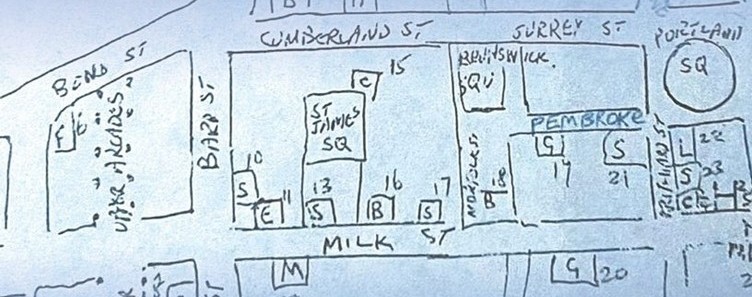
This story starts with a casual recollection of long gone streets and houses, mapping memories of a neighbourhood no longer there, of a lost Jewish community. The late Julius Burke, born 1923, many years later recalled the places he would visit on his tricycle, passing children barefoot on ‘Philly-i-fi Street’, popping into his father’s drapery on ‘busy, thriving’ Cumberland Street and the ‘great hullabaloo’ when goods were delivered, ‘plonking their horses and drays and carts outside the warehouse, baskets and cases from all over the world with traffic jams all held up’.
A grant from Historic England made it possible to explore Our Neighbourhood Heritage and we began with a gathering in St Pauls Library to discover together more about this pre-war Jewish quarter and the stories of those who had lived, worked and grown up there.
Visitors shared their connections with the area and each other and mapped the journeys and routes that had, over the years, brought them to this place and led them to participate in this project.
You can hear Julius recalling his early years in 1930s St Pauls on the Oral History layer of Know Your Place.
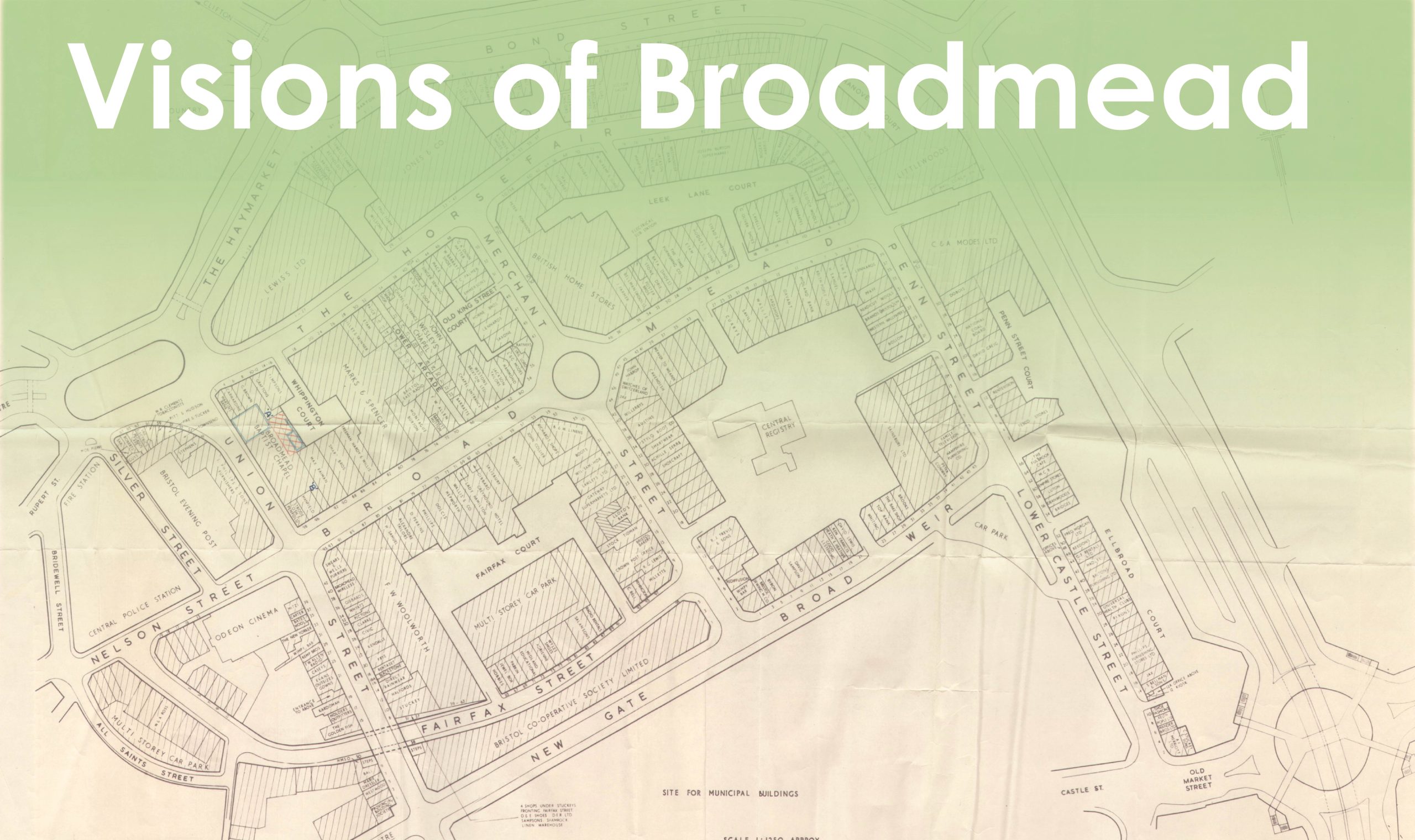
The houses, shops and streets depicted in Julius’s map were largely removed during the post war re-planning process that created the present Broadmead shopping area and associated inner ring road. This top-down approach was typical of the time, with city planners keen to forge a new future with what they felt would best serve the people of Bristol; a 1950s one-stop shopping area with a gallery of department stores intended to fulfil shoppers’ every want and need. Little thought was given to the wants and needs of the neighbourhood as their homes faced demolition and the prewar community was displaced with minimal, if any consultation.
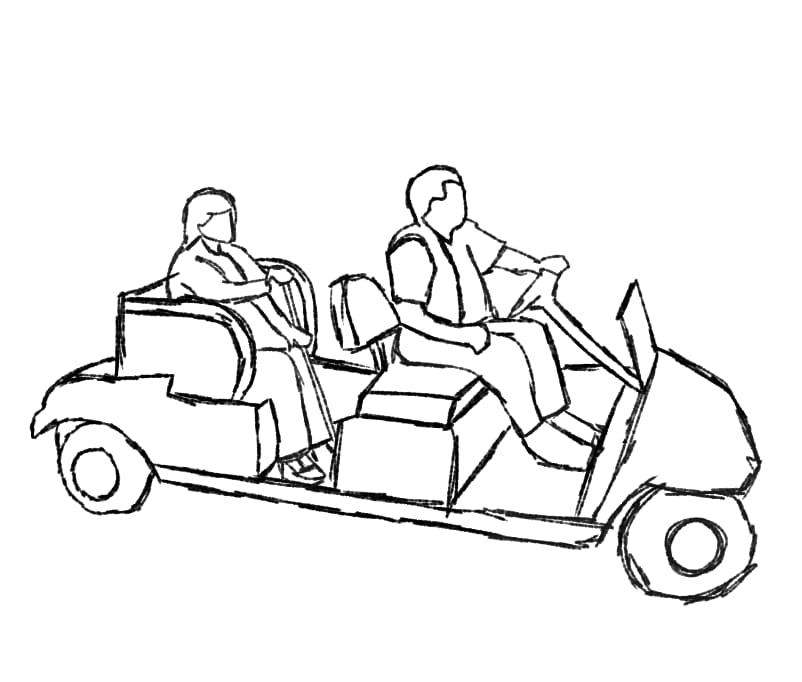
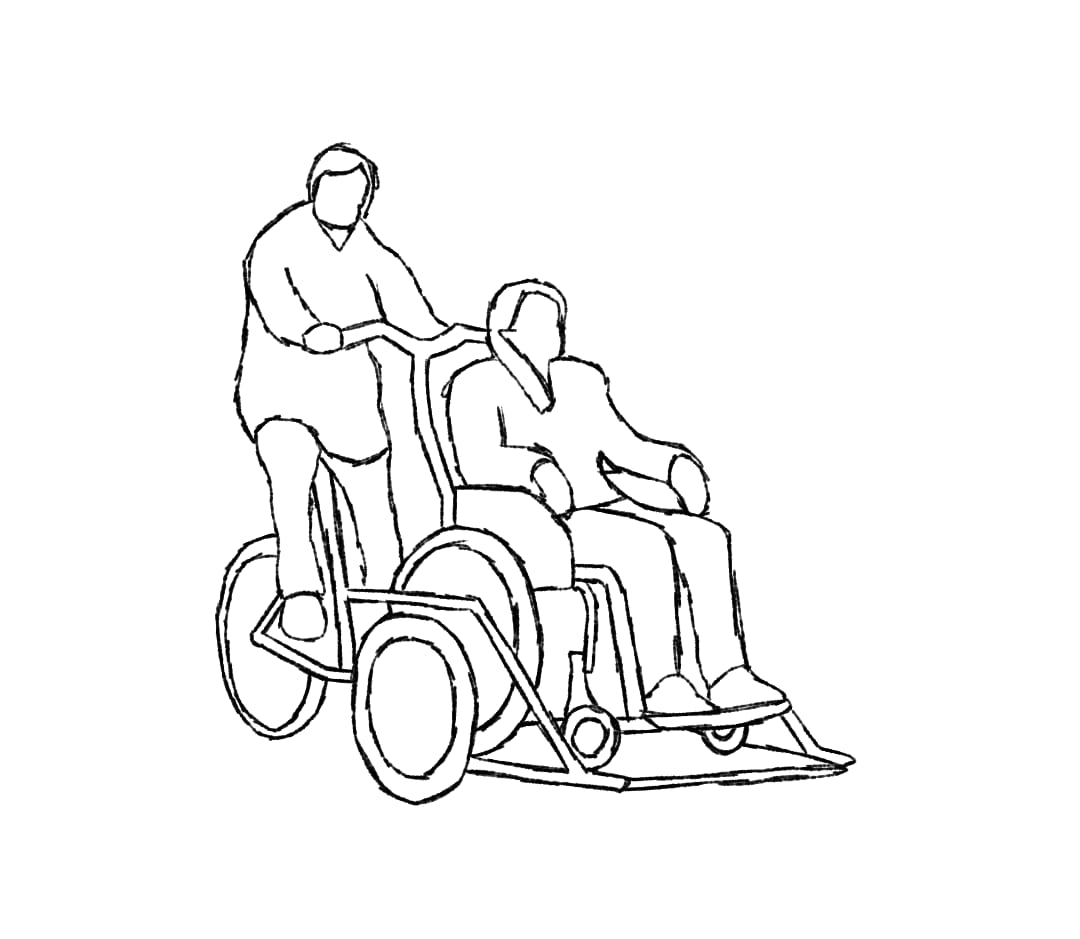
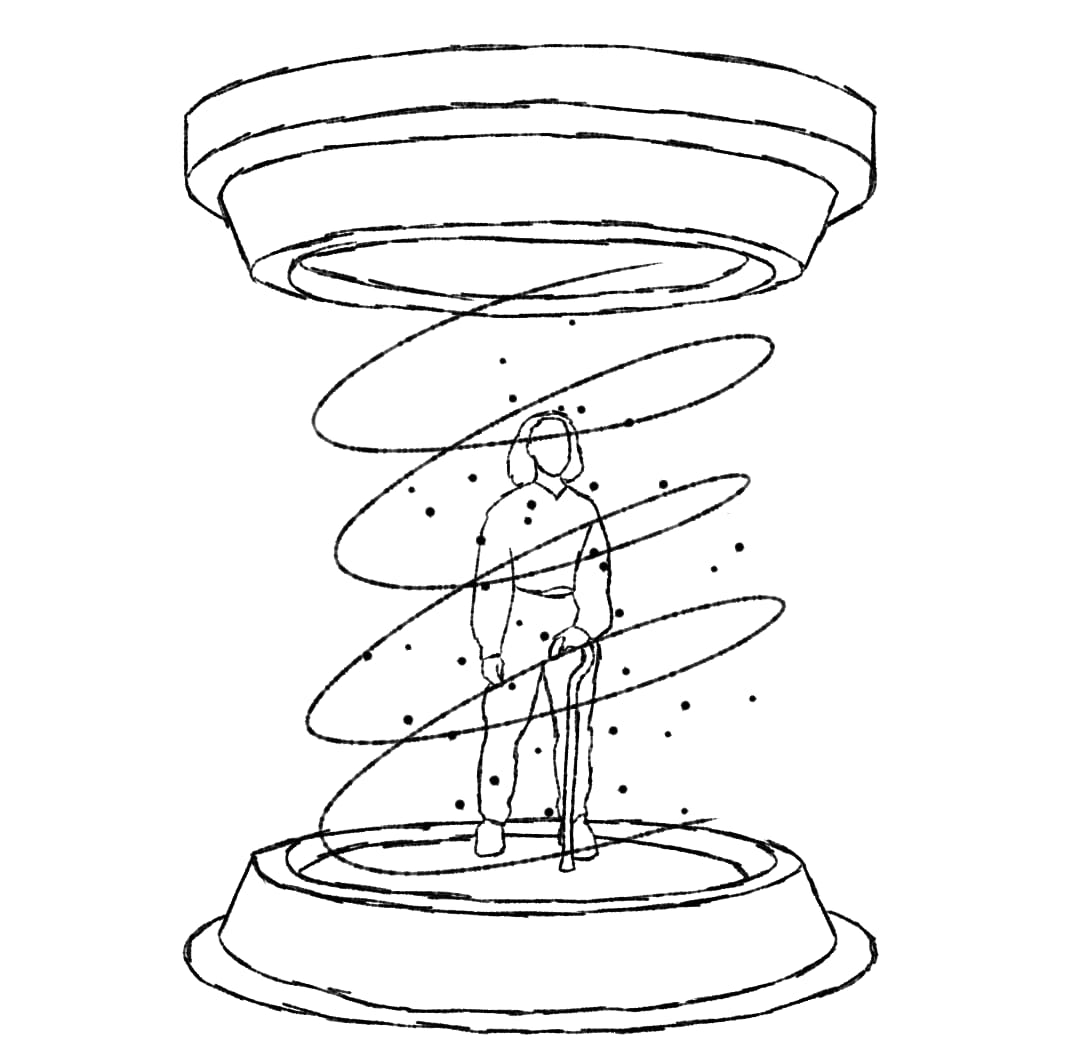
Broadmead and its road system is again undergoing a process of change. Unlike urban planning in the past, as we approach this new phase in Broadmead’s development there is an opportunity for the people of Bristol to come together to share what they think would make for a welcoming and inclusive space, accessible and inviting to all.
Students from Willow Park Primary School and City of Bristol College considered what was needed to create a perfect shared environment and produced their own designs for an ideal Broadmead.
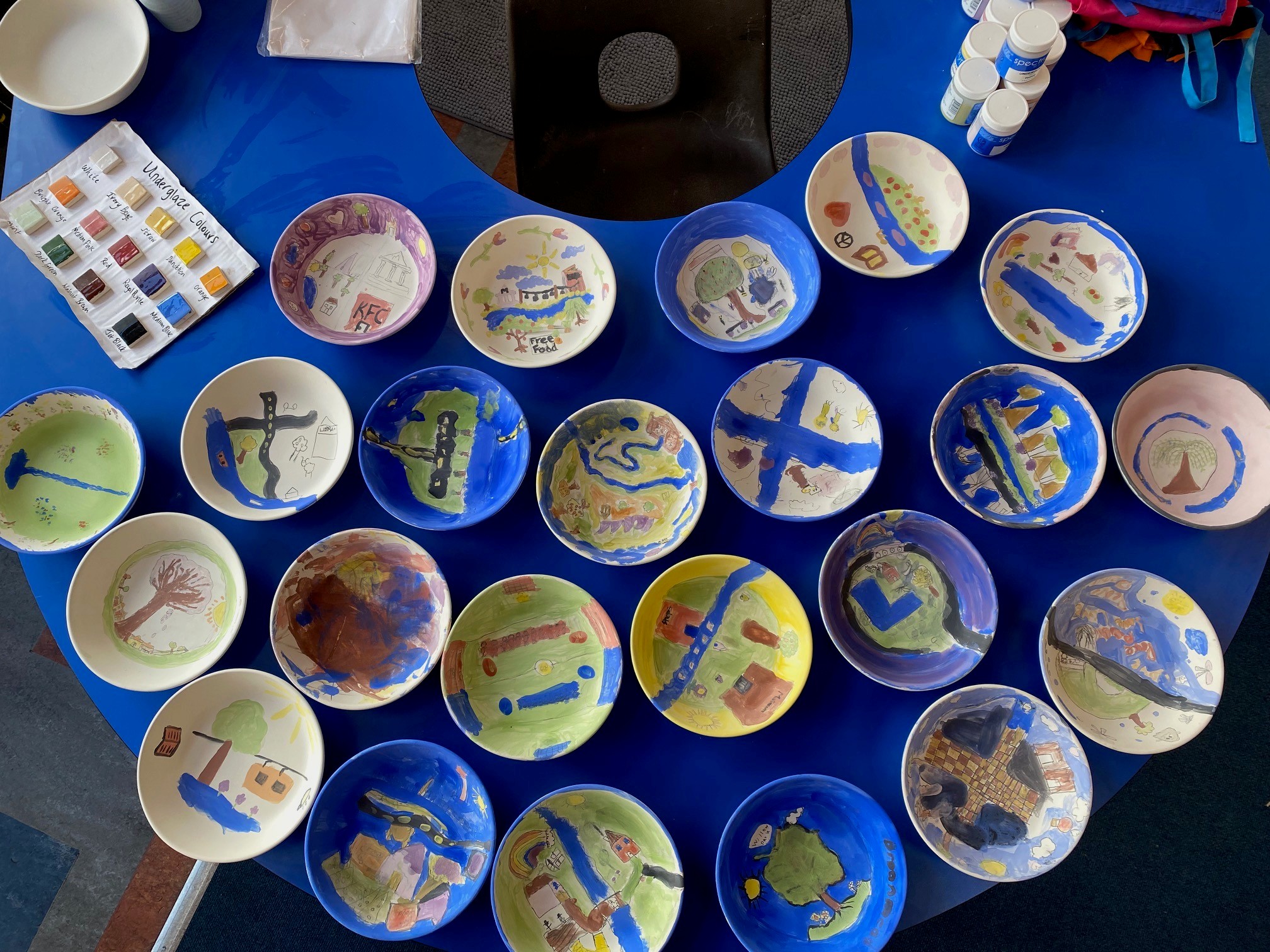
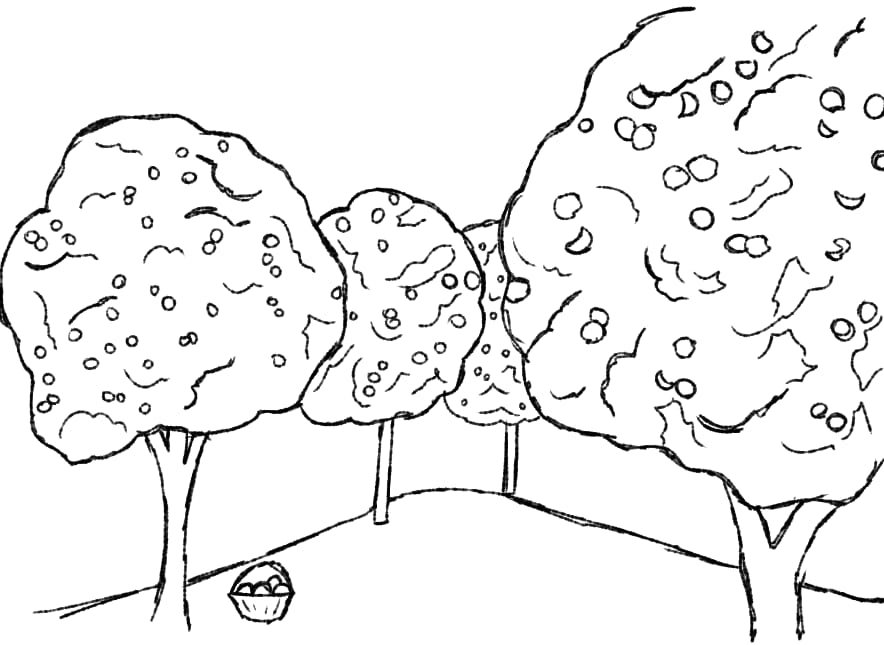
To consider an ideal future, pupils from Willow Park revisited the past following an ancient path from their school grounds. They imagined a Roman landscape, before St Michael on the Mount Without was built, when the River Frome flowed through the city, passed farmsteads and pastures and broad meadowland.
2000 years of heritage and considerations for today informed their designs, drawing on the flora and fauna from a previous time, the children placed an emphasis on the natural environment and decorated bowls with their vision of a perfect and fully accessible future Broadmead.